






CONSTRUCTION
Site supervision that works: quality checkpoints from foundation to finishing
Learn the key inspection points where work should stop and be checked, so mistakes are found before they are buried under concrete or plaster.
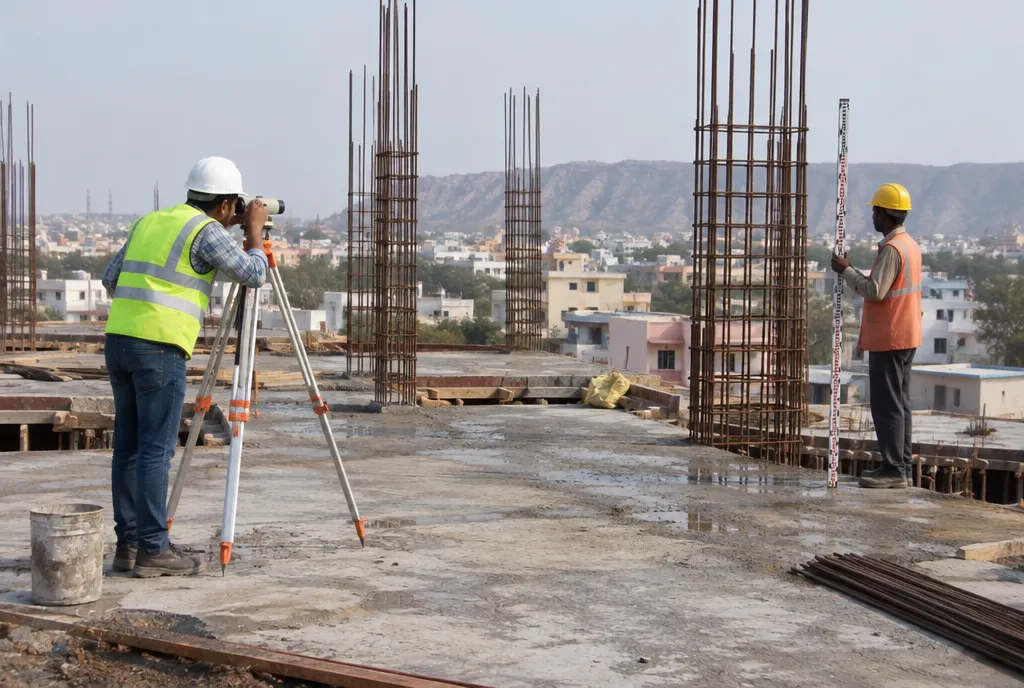
Good supervision means defined checkpoints where work stops until someone has inspected it against the drawings. The aim is to catch errors before they are covered by concrete, plaster or tiles. A site with clear hold points, written records and regular photos is far easier to trust.
Most serious defects are hidden. Missing rebar, poor compaction or a weak joint cannot be seen once the next layer is on. Checking at the right moment is the only practical way to know.
Foundation stage
- Layout and centrelines match the approved drawing
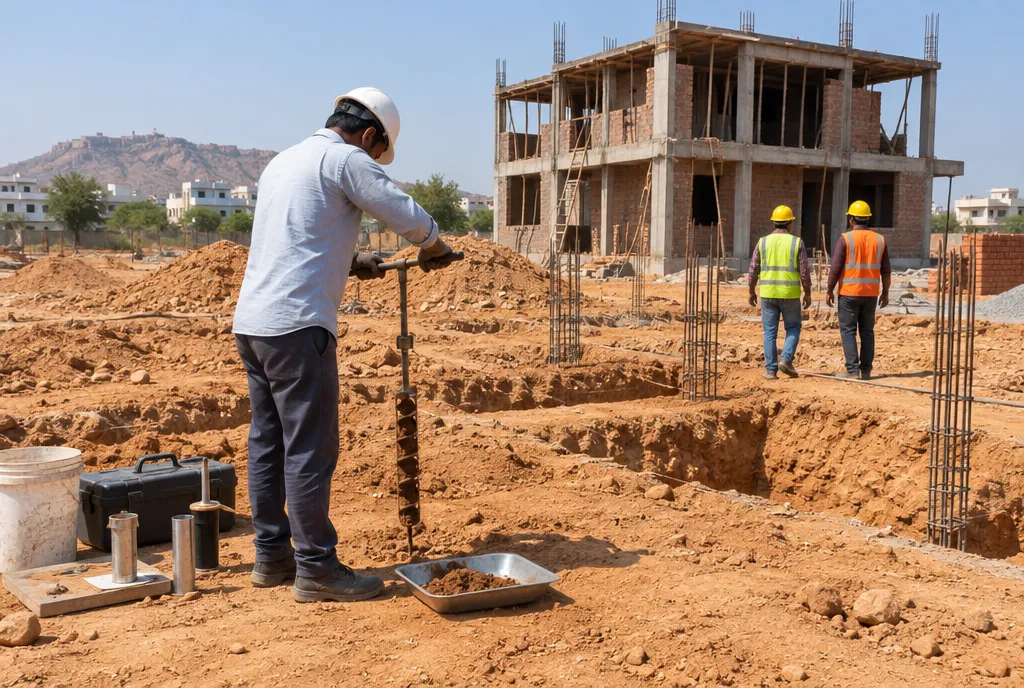
- Excavation reaches the depth and soil the engineer specified
- Levelling concrete is at the correct level
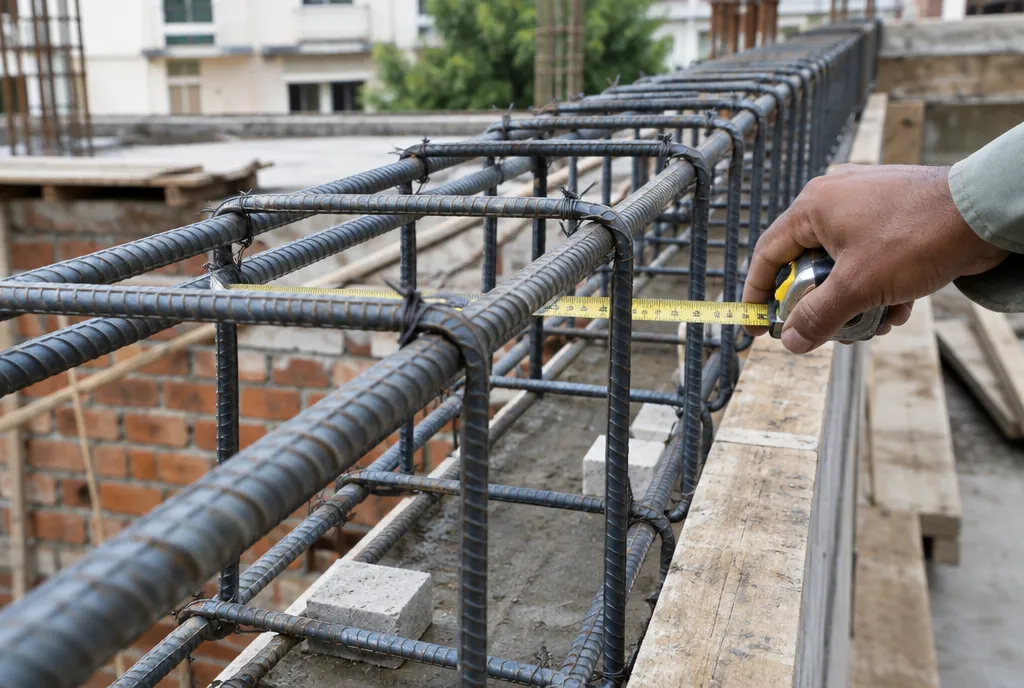
- Rebar diameter, spacing, laps and cover blocks match the structural drawing before any concrete is poured
Structure: columns, beams and slabs
Before every pour, check shuttering for alignment and tight joints, props for stability, and rebar against the drawing. Conduits and sleeves should already be in place.
- No extra water added to the mix on site
- Concrete compacted properly, with cube samples taken as your engineer specifies
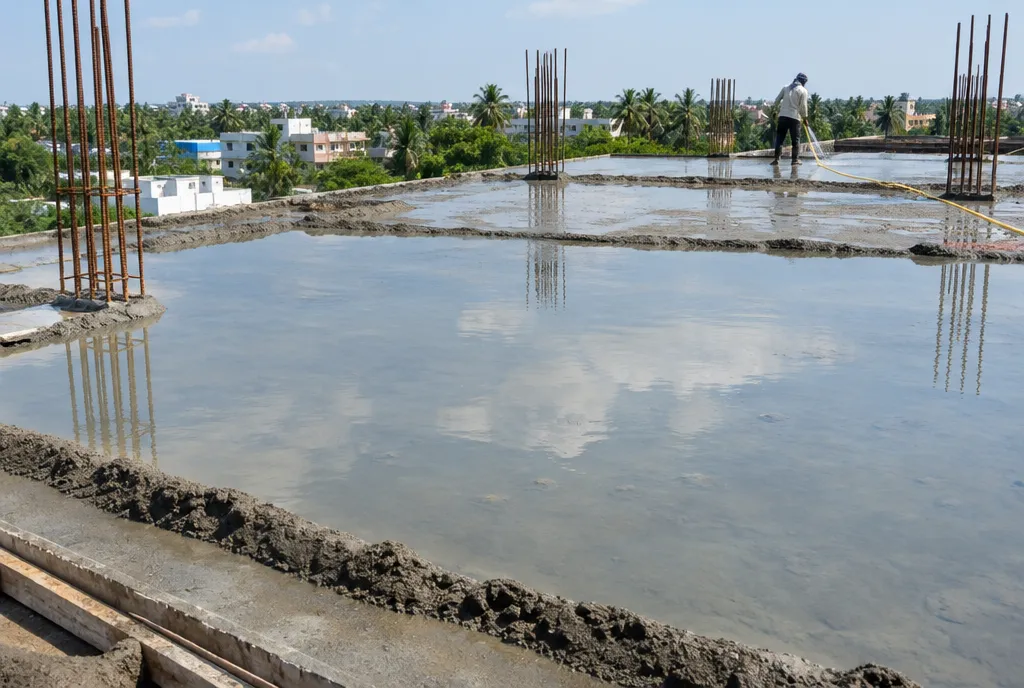
- Curing started on time and kept up
- Props and shuttering removed only on the engineer's go-ahead
Masonry, plaster and services
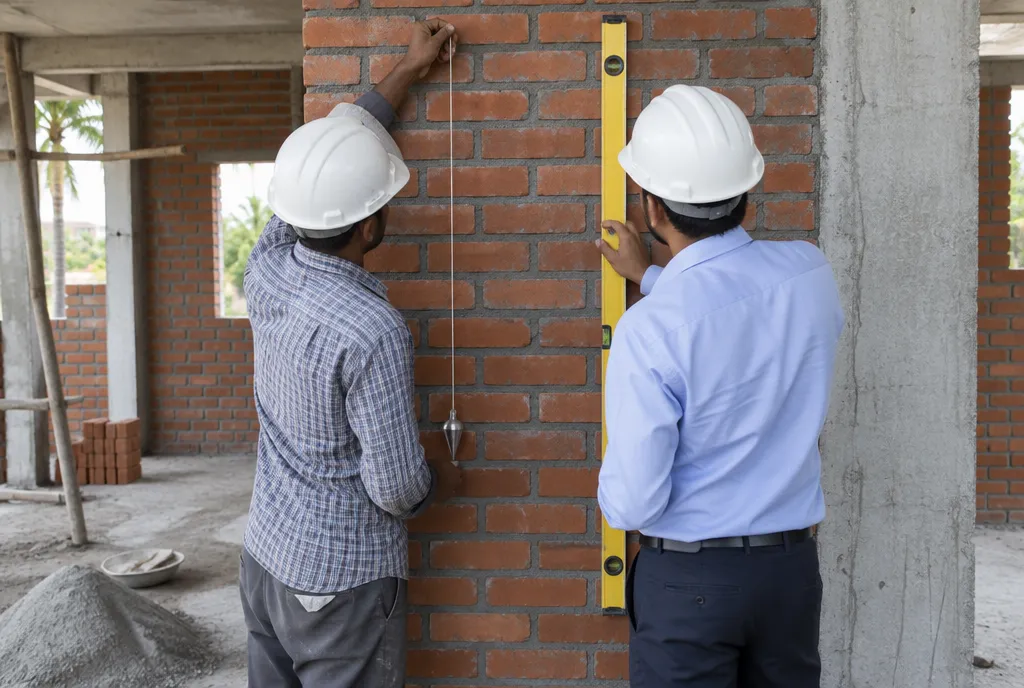
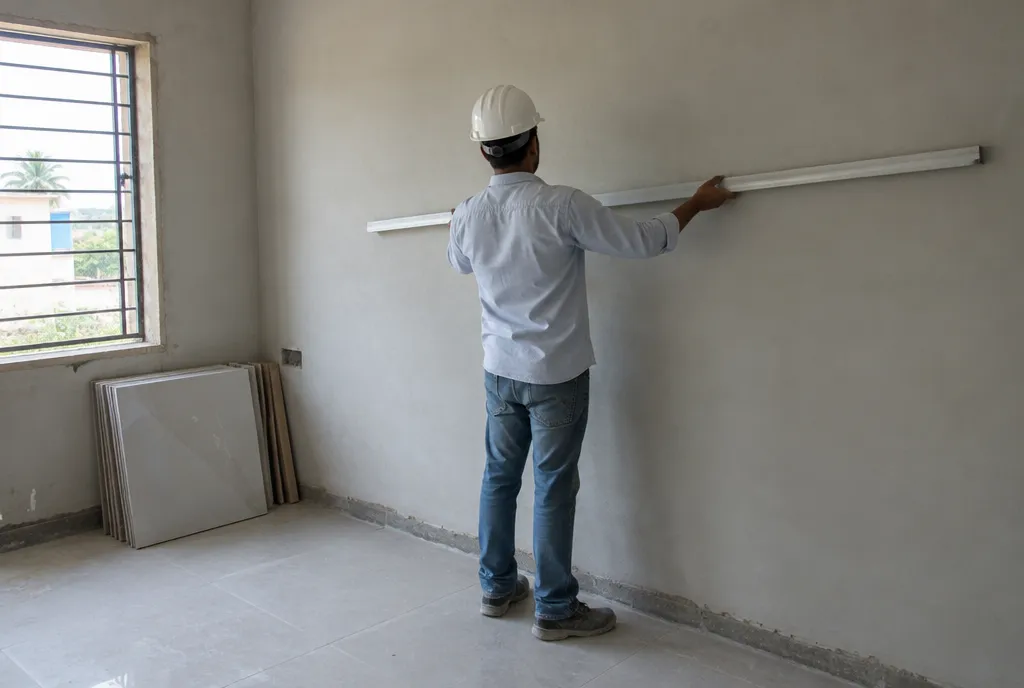
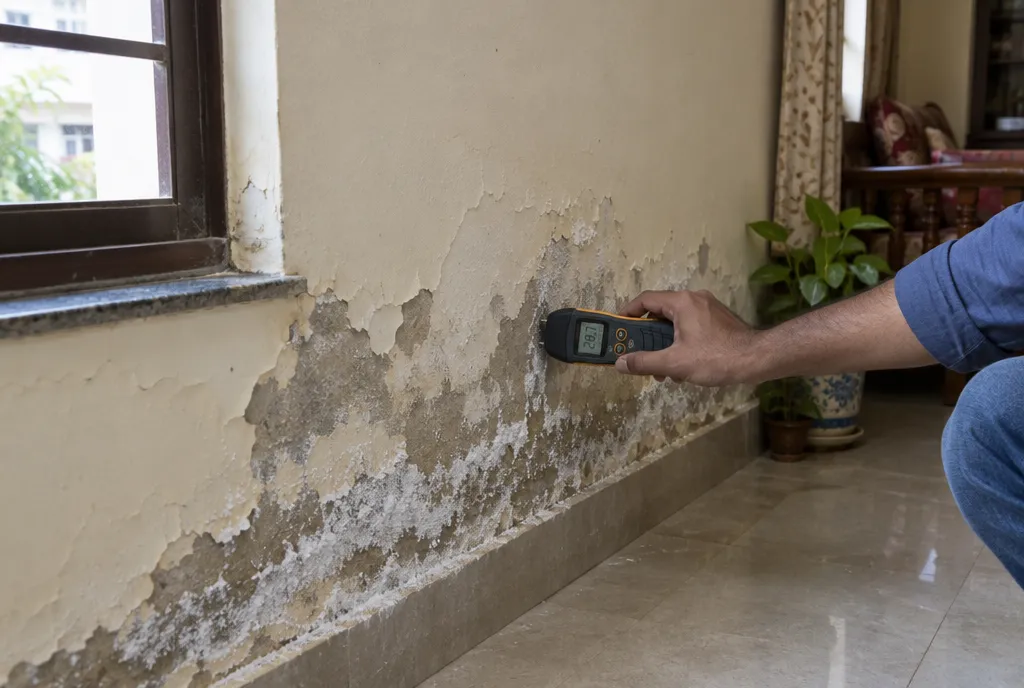
Brick courses should be plumb and level, with full mortar joints and bricks soaked before laying. Plaster should be checked with a straight edge for flatness and tapped to find hollow patches. Plumbing and electrical lines are inspected and tested before walls are closed. Wet areas are ponding-tested before tiling.
Flooring and finishing
- Floor levels and slopes towards drains are correct
- Tiles are tapped for hollow sounds and joints are even
- Doors and windows operate smoothly and gaps are sealed
- Paint is applied on a dry, properly prepared surface
Who checks what
A mason can check a wall, but a second pair of eyes should check the important stages. Typically the site supervisor inspects daily, the site engineer signs off each hold point, and the structural engineer reviews rebar and approves the pour. As the homeowner, you do not need to inspect technical details yourself. Your job is to ask whether the checkpoint was done, by whom, and where the record is.
Keep a daily site diary too. Record the date, the work done, the materials received, the labour on site and any instruction given. It settles most later disagreements about what was agreed.
Make the checks visible
Ask for a simple checklist per stage, signed off before the next one starts, with dated photos. If you live outside Jaipur or India, short videos at each hold point let you follow progress without being on site. More answers are in our FAQs.
How Reidius Infra can help
Reidius Infra runs architecture, construction and interiors as one team, so the people who drew the plan are close to the people checking it on site. Reach out for a free consultation to discuss how your build can be supervised.