



RENOVATION
Seepage and Dampness: Find the Cause Before You Repaint
Learn how to trace damp patches to their real source, so the repair lasts through the next monsoon instead of peeling within months.
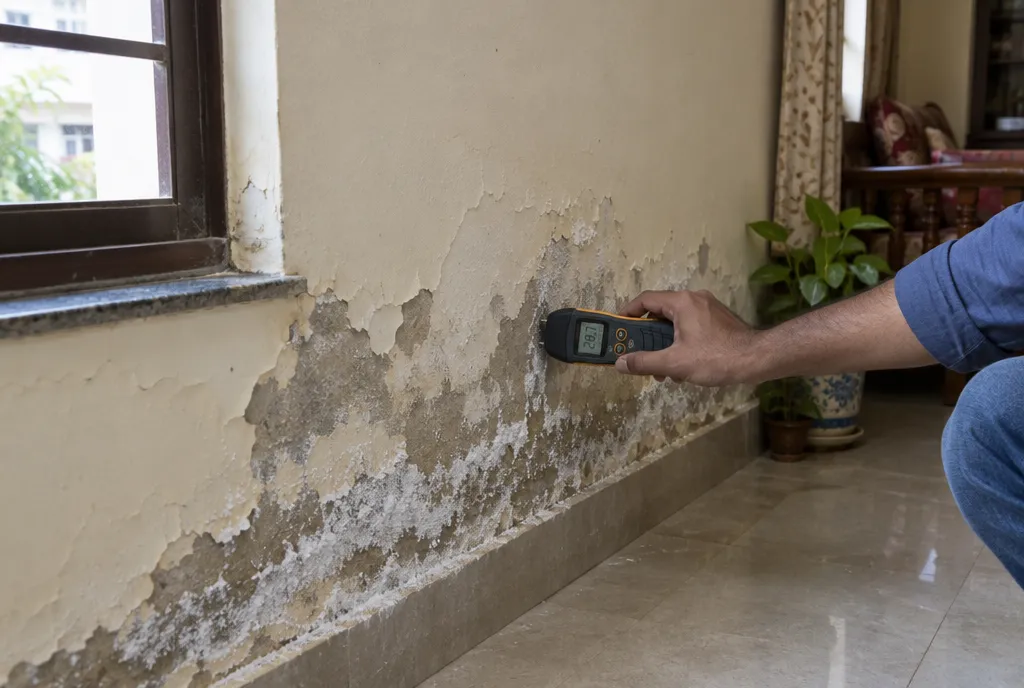
Damp patches come from water getting into the wall or rising through it, and repainting only hides them for a season. Find where the water enters, stop it at the source, let the wall dry, and only then plaster and paint. Skip those steps and the paint will blister again.
Read the pattern of the patch
Where the damp appears and when it appears point to the likely cause.
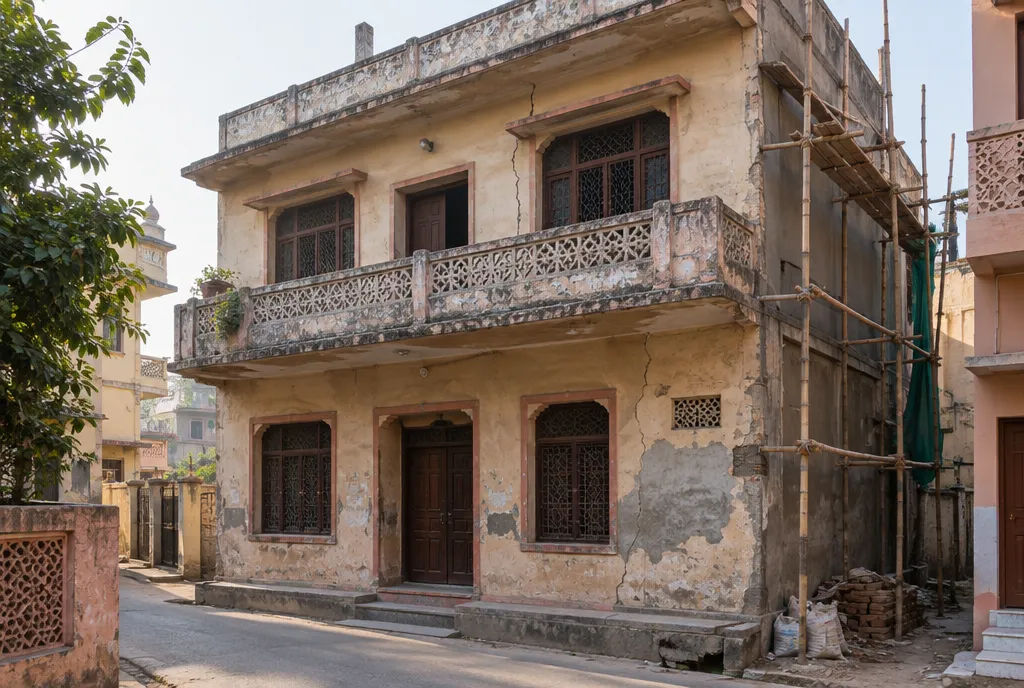
- Patches at the base of a wall, often with white salt deposits, suggest moisture rising from the ground.
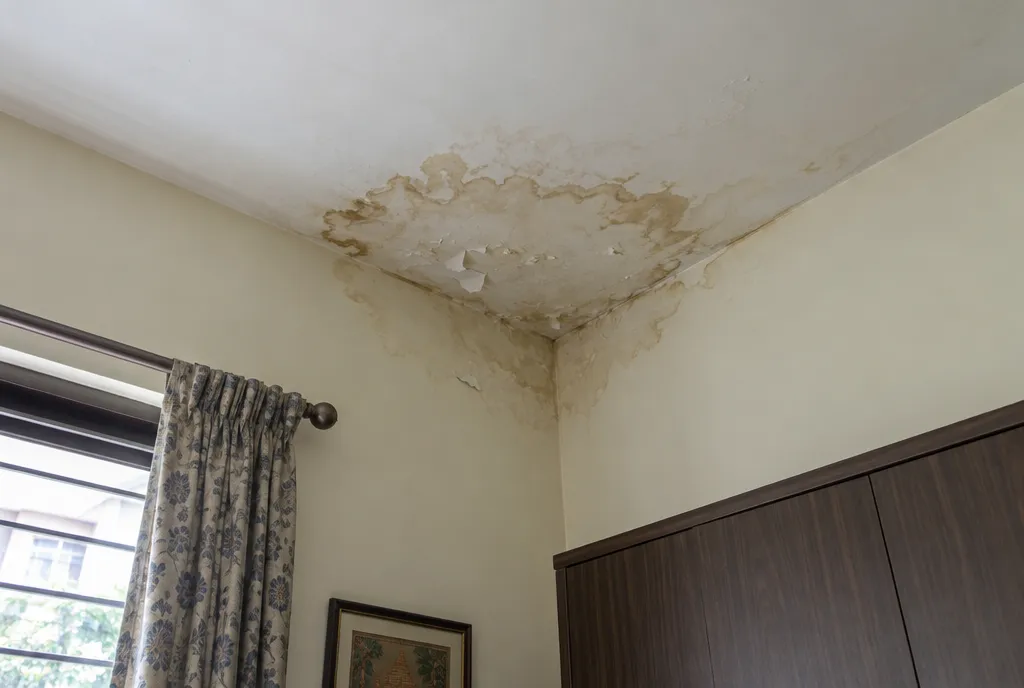
- Stains on a ceiling or the top of a wall, worst after rain, suggest a leaking roof or terrace.
- Patches near or below bathrooms and kitchens usually point to a leaking pipe or failed waterproofing.
- Damp on outer walls after heavy rain can mean water entering through cracks or worn external plaster.
- A patch that stays wet in dry weather points towards a leaking pipe, not rain.
Check the usual suspects
In Jaipur homes, most seepage traces back to a handful of places.
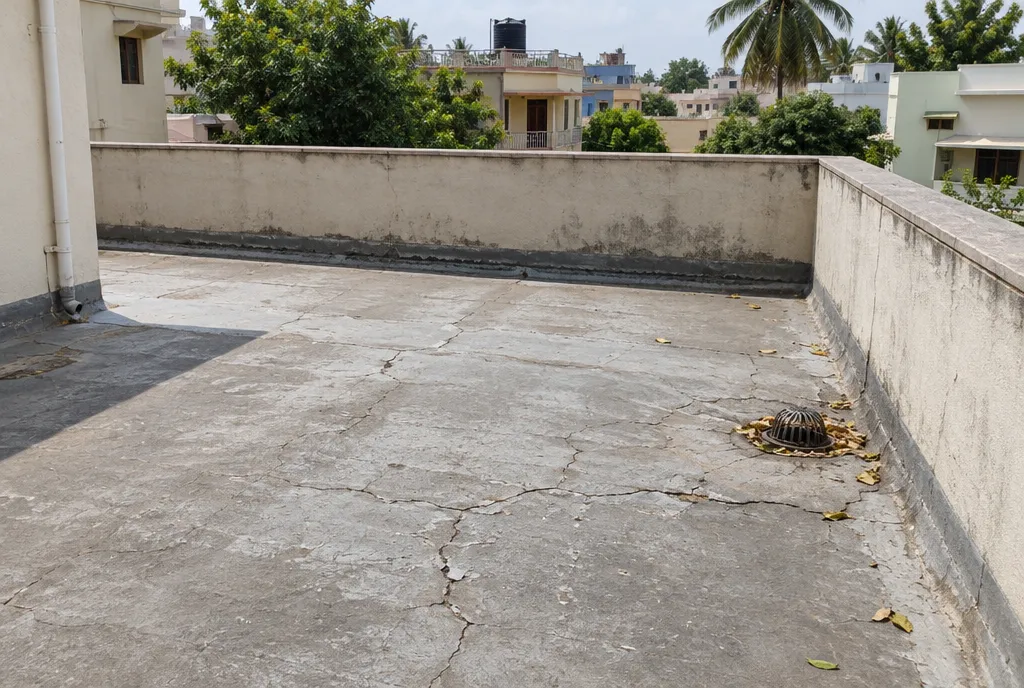
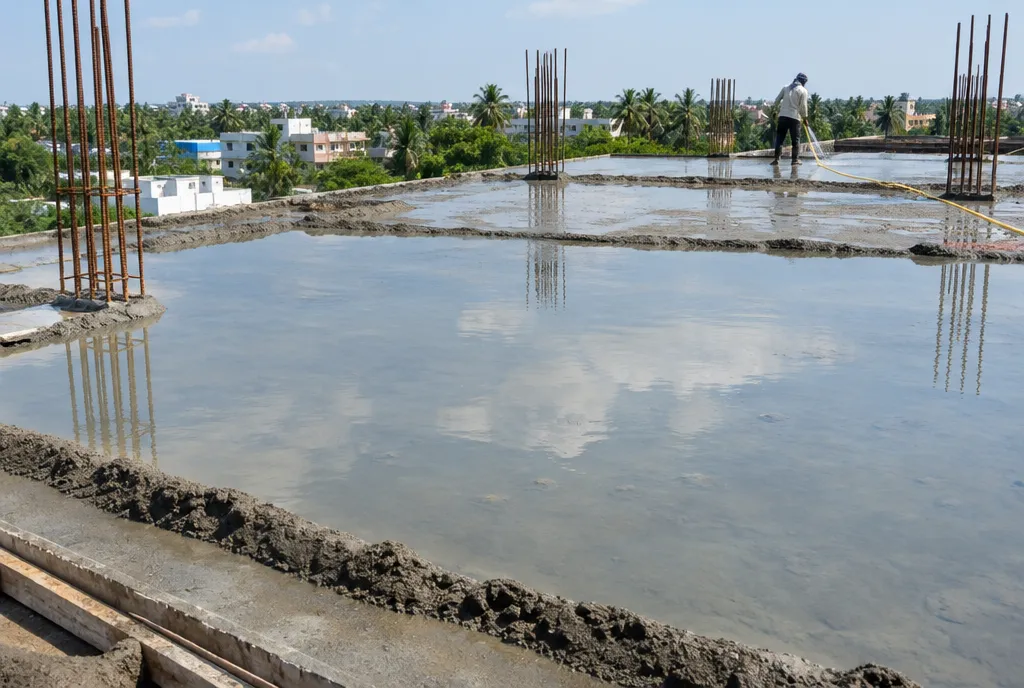
- Terrace: worn waterproofing, blocked drains and gaps where the parapet meets the slab.
- Plumbing: joints in concealed pipes, loose fittings and leaking flush tank connections.
- Bathrooms: broken tile joints, gaps around floor drains and missing waterproofing under the tiles.
- Outside: cracks in external walls and rainwater collecting at the base of the wall.
Test before you open anything up
Simple checks save money. Run a tap or flush for a while and see if the patch grows. Photograph the stain with dates so you can see whether it is spreading. A contractor can use a moisture meter on the wall and, where suitable, do a controlled water test on a bathroom floor or a section of terrace to confirm the source.
Repair in the right order
- Stop the source: repair the pipe, redo the waterproofing, clear the drains and seal the cracks.
- Let the wall dry fully, which can take weeks rather than days.
- Remove the damaged plaster and the salt-affected surface.
- Re-plaster with a mix that suits the wall. Older lime-plastered walls often need compatible material, since sealing them under hard cement can trap moisture.
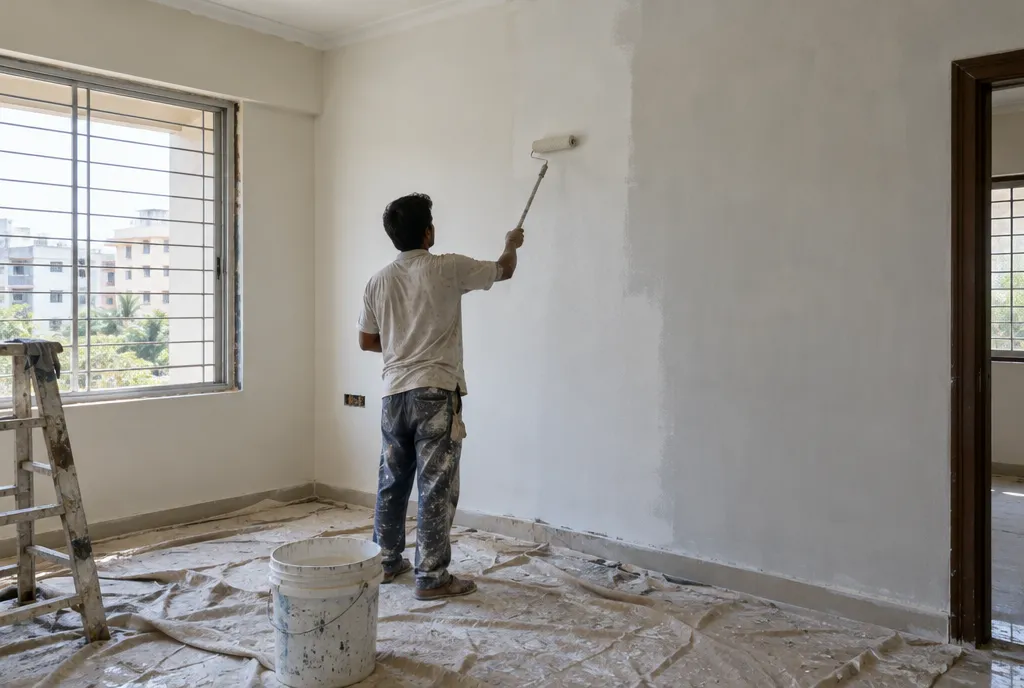
- Prime and paint last.
Hurrying the final step is the most common reason a repair fails.
Do not rely on a coating alone
Waterproof paints and chemical coatings can help as part of a complete repair, but they are not a replacement for fixing the source. Ask any contractor exactly what will be done, where, and why. If you have general questions about how we approach home work, our FAQs are a good place to begin.
Plan the repair for before the monsoon
Terrace and external wall repairs are best finished before the rains, so the new work has time to cure. Seasonal heat helps walls dry out, which makes the months before the monsoon a sensible time to start.
How Reidius Infra can help
Reidius Infra looks at seepage as a construction problem first and a paint problem last. We trace the cause, repair it in the proper order and finish the surface only when the wall is ready. Ask for a free consultation and we can take a look at what is happening in your home.