







RENOVATION
Renovation Budget and Timeline: Planning for Hidden Surprises
Learn how to build a realistic budget and schedule that can absorb the problems found behind walls, floors and ceilings once work begins.
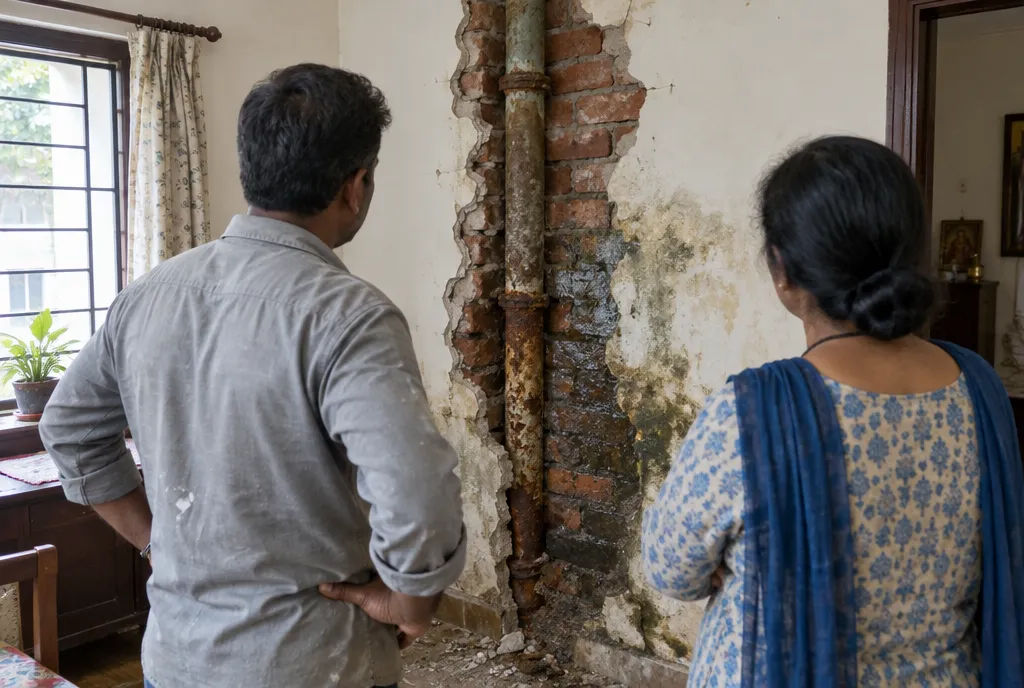
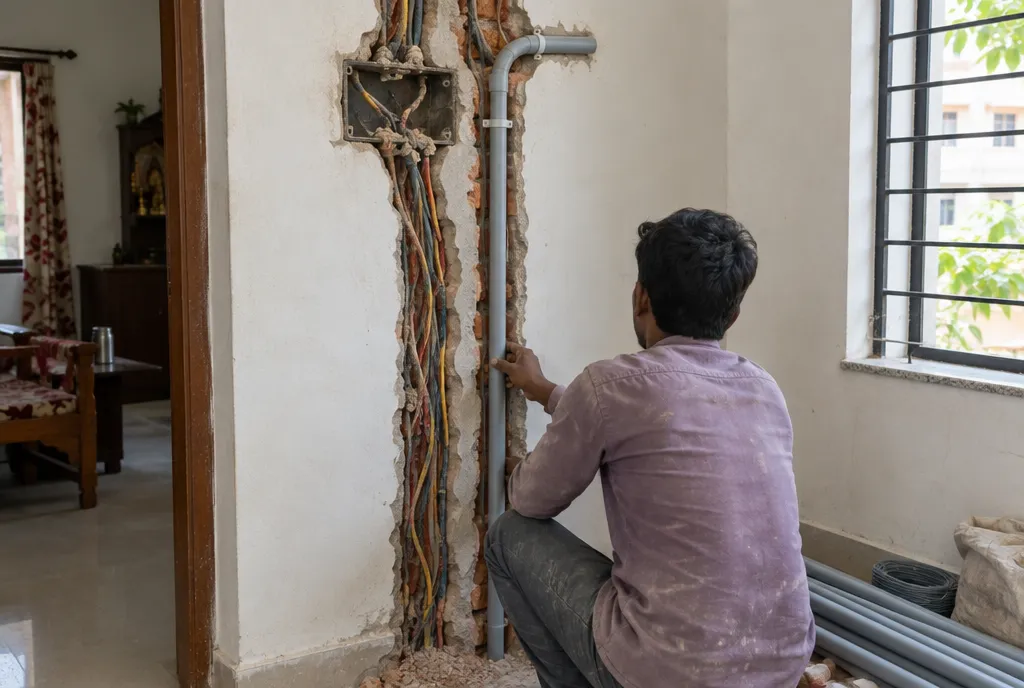
A renovation budget and timeline must leave room for what you cannot see yet. Old pipes, damp, weak plaster and outdated wiring often appear only after walls and floors are opened. Plan a contingency allowance in both money and time, and agree how changes will be approved before work starts.
Know where the money goes
Rather than hunting for a single number, understand what drives the cost of a renovation.
- The size of the area and how deeply it is being reworked.
- How much is hidden work, such as plumbing, wiring, waterproofing and repairs.
- The materials and fittings you choose, which can vary widely.
- Whether walls, floors or layout are being changed.
- Access, such as upper floors, narrow lanes and limited storage space.
Ask for a detailed scope
A one-line quote leaves room for argument later. Ask for a written scope that lists each room, each task, the materials, and what is not included. Compare quotes against that scope, not just the bottom line.
Build a contingency into the plan
Set aside a separate allowance for the unexpected, and keep it apart from your main budget so you can see how it is used. Older houses and those with known damp or earlier repairs deserve a larger buffer than a recently built flat. Your contractor can help you judge how much is sensible after inspecting the property.
Sequence work to reduce surprises
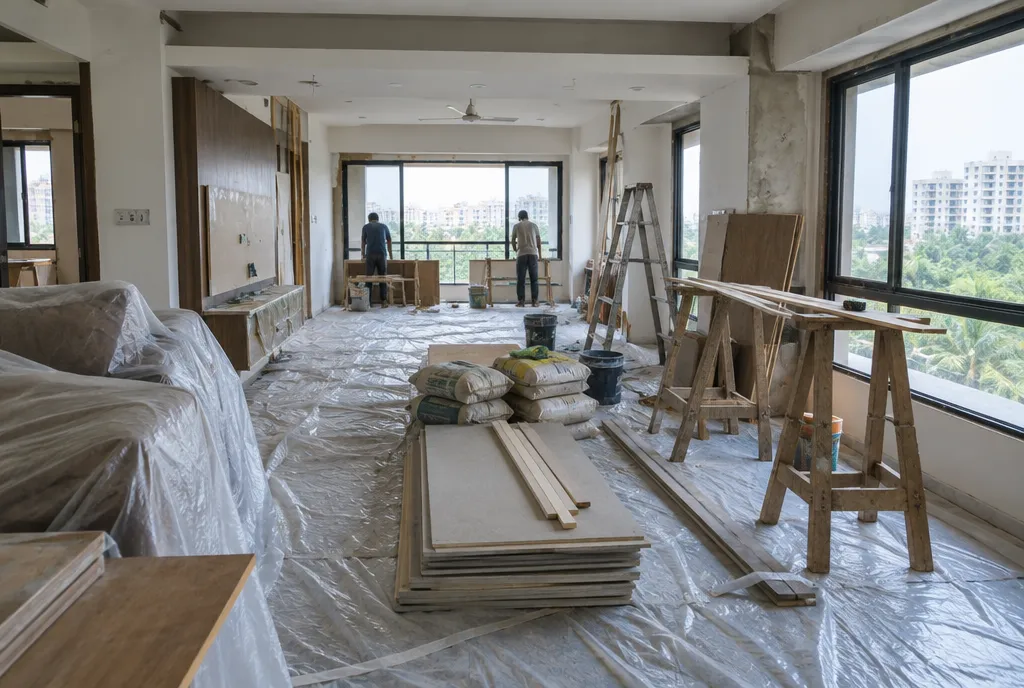
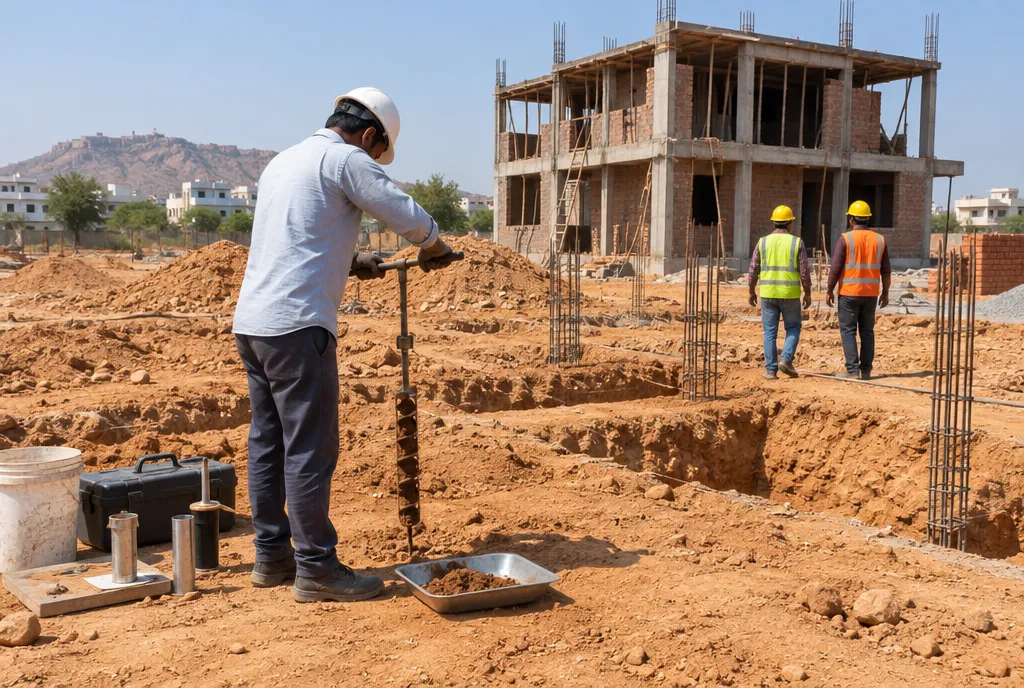
- Inspect the property and open up suspect areas early, before ordering finishing materials.
- Complete structure, waterproofing and services before any decorative work.
- Order long-lead items such as custom joinery, stone and fittings in time.
- Leave painting and final fittings to the end.
Decide what happens when a surprise appears
When something unexpected turns up, such as rotten wood, a leaking concealed pipe or a wall that cannot take the planned change, ask your contractor for three things in writing: what was found, what the options are, and what each option adds in cost and days. This keeps decisions calm and fair, and stops small discoveries turning into disputes.
Treat the timeline with the same care
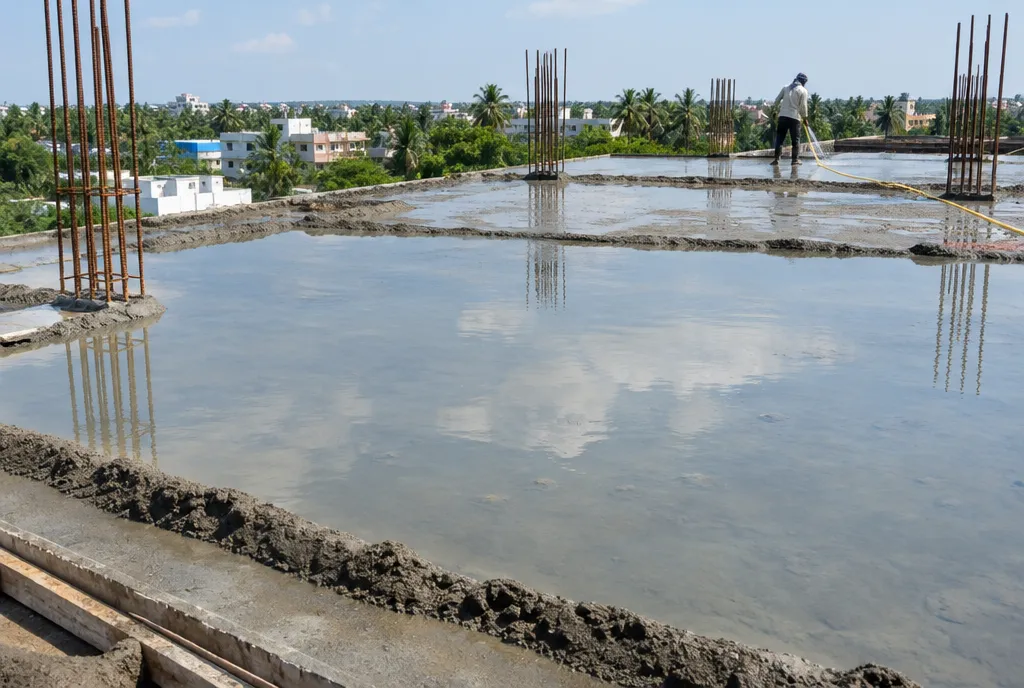
Allow for curing and drying of waterproofing, plaster and screed, for monsoon days and for festival periods when labour is scarce. A schedule with some slack is more honest than a tight one that will slip. Decide where you will live during the work, and count that cost too.
Agree how changes will be handled
Changes of mind are the other big cause of overruns. Decide who approves changes, and ask that any extra cost and time be written down before the work is done. Pick finishes before work begins, so that decisions are not made in a hurry. For more on how projects run, read our FAQs.
How Reidius Infra can help
Reidius Infra works as one team across architecture, construction and interiors, so scope, sequence and surprises are discussed together from the start. Book a free consultation and we can help you shape a budget and schedule that leave room for what is behind the walls.